
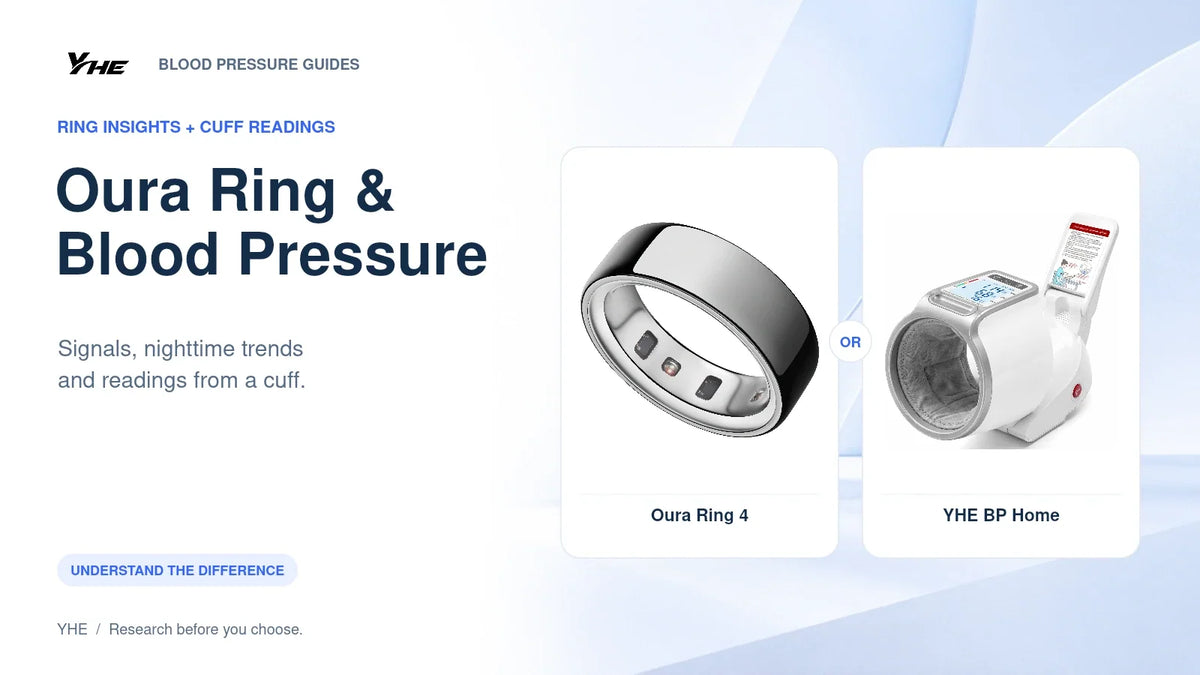
Oura now has blood-pressure-related features, but its ring does not provide the same on-demand mmHg reading as a cuff monitor. Its current Heart Health Hub separates Blood Pressure Signals, Nighttime BP and cuff readings entered from another device. Understanding those three outputs is more helpful than answering “Does Oura measure blood pressure?” with an outdated blanket yes or no.
This guide is published by YHE using Oura support information updated in October 2026 and checked on October 22, 2026. It is not a hands-on ring review or a diagnostic interpretation guide.
Separate the three features before shopping
| Feature | What Oura documents | What the buyer should not assume |
|---|---|---|
| Blood Pressure Signals | Patterns in nighttime ring data assessed over 30-day periods | An instant systolic/diastolic reading |
| Nighttime BP | Overnight dipping patterns and trends; no mmHg values displayed | A substitute for absolute BP measurements |
| Cuff Inputs | A log of externally obtained readings, entered or imported | That the ring generated the logged cuff reading |
This is an important change from older articles that discuss only a research study or say Oura has no BP-related functionality. The new features still should not be described as a built-in blood pressure cuff.
A trend and a pressure reading answer different questions
A pattern feature may tell you that something in a longer record deserves attention. An on-demand cuff measurement is obtained at a particular time using a particular procedure. The information can be complementary without being interchangeable.
For example, a person may want to understand a nighttime pattern while also keeping a morning home-cuff record requested by a clinician. Buying a ring for the former does not automatically complete the latter task. Likewise, a morning cuff reading does not independently establish what happened throughout sleep.
The key buying question is therefore “What output do I need?” rather than “Which product has a blood pressure label?” A feature name can sound similar while representing a different measurement, timing and intended use.
Why cuff entries do not mean the ring measured that value
Oura allows a user to log external cuff readings, including through supported imports. The origin of those readings matters. A value appearing inside the Oura app may have come from an upper-arm monitor or a manual entry.
When keeping a record, retain the device source, time and measurement context. If a value looks unexpected, check its origin before concluding that the ring and cuff disagree. The two may not have attempted the same kind of observation at the same time.
Do not infer automatic compatibility with every cuff from the existence of an import option. The monitor, intermediate health platform, phone permissions and app can each affect the path. Verify the exact connection you intend to use rather than buying on a generic “works with health apps” statement.
Check eligibility separately for each feature
Oura's current support materials specify hardware, active-membership and regional conditions for its heart-health experience. Do not assume an older ring, an account in another market or a feature shown in a screenshot guarantees access.
Before purchase, check the current support page for your ring generation, app and country. Then check what happens without membership and whether the specific BP-related feature is enabled for you. This is especially important if an app feature, rather than sleep tracking in general, is the reason for buying.
A long-term pattern feature also needs usable wear data. Think about whether you will wear the ring consistently at night. A product that fits your preferred routine can be useful; one you remove every evening may not provide the information you intended to buy.
Would a blood pressure watch meet a different need?
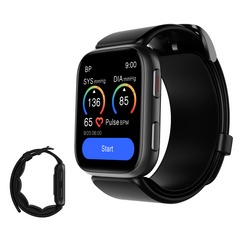
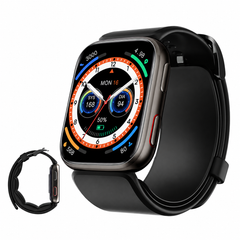
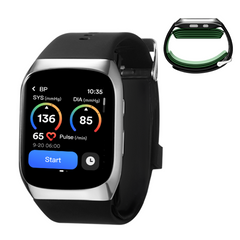
A cuff watch such as YHE BP Doctor Fit offers a different interaction: an inflatable wrist cuff and a deliberate reading session. It is worth researching when the specific requirement is a wrist-worn device with a display and an on-demand cuff process.
That is not a claim that Fit replaces Oura's sleep, recovery or long-term pattern features. It is also not a claim of clinical superiority. We did not verify a matching U.S. BP medical clearance for Fit in this comparison. A cuff mechanism does not by itself establish medical suitability.
If your main goal is an appropriate home BP measurement record, compare upper-arm devices first. The right monitor may complement a ring you already own rather than replace it.
A three-step decision for Oura owners
- Identify the missing task. Do you need a long-term ring signal, an actual cuff measurement or a record-sharing method?
- Use existing equipment where appropriate. If an appropriate cuff already provides the required measurement, check whether its records can be logged conveniently.
- Buy only for the unresolved need. A second wearable may add cost without improving the clinical measurement routine.
This approach avoids a false choice between ring and monitor. A wearable can support awareness while a separate device supplies the measurements required for a care plan. Oura itself describes its pattern features as wellness information rather than a replacement for care.
Frequently asked questions
Can Nighttime BP show my pressure as 120/80?
Oura's current support page says Nighttime BP does not display mmHg values. It describes dipping patterns and trends rather than absolute pressure readings.
Can a ring alert rule out hypertension?
No. Do not use the absence of a signal as a substitute for an appropriate measurement or medical evaluation. Follow your healthcare professional's advice if you have concerns or an existing condition.
Which YHE product should I compare for home readings?
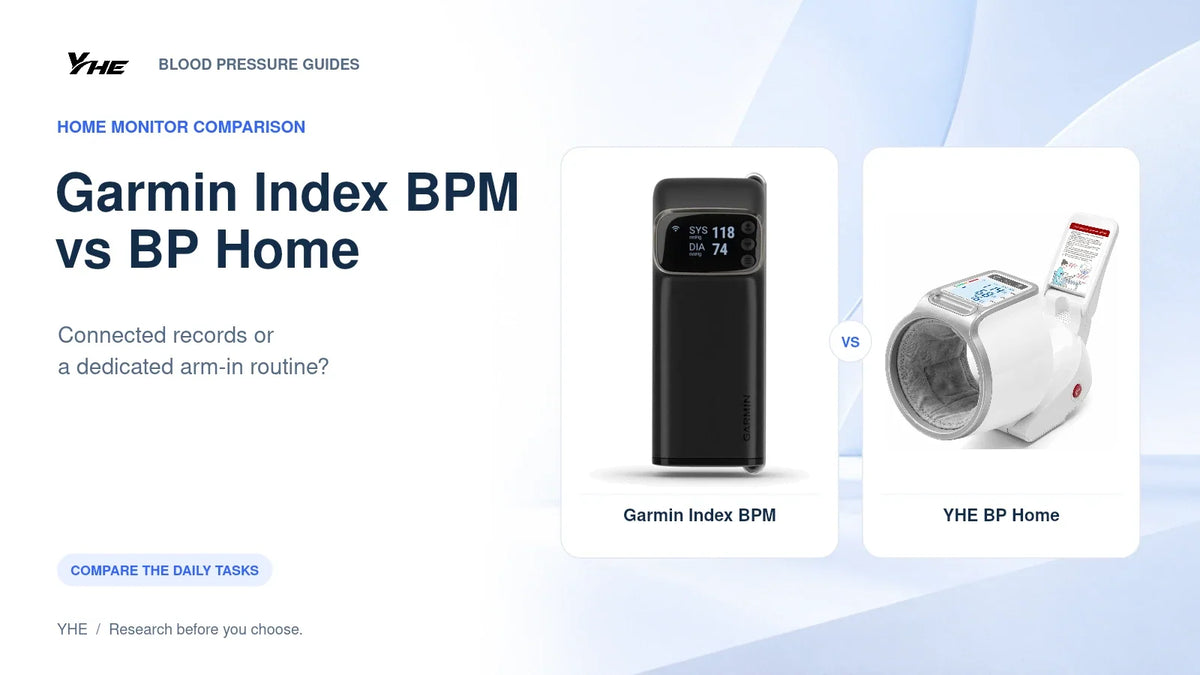
Examine the separate BP Home upper-arm monitor. Its design and evidence are different from the Fit watch; do not apply claims from one to the other.
Sources
Oura Heart Health Hub, updated October 14, 2026; Oura Health Radar, updated October 16, 2026; YHE product pages above. No accuracy score, medical review or first-hand testing is claimed.

Leave a comment
This site is protected by hCaptcha and the hCaptcha Privacy Policy and Terms of Service apply.