

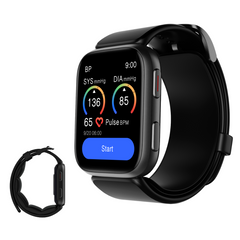
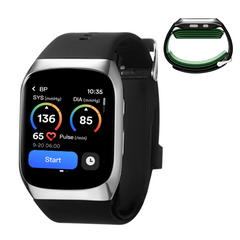

You take a blood pressure reading and see two numbers:
126 / 78 mmHg
But what do they actually mean?
And why can your blood pressure be different in the morning, after exercise, or at the doctor's office?
This simple guide will help you understand the basics.
What Is Blood Pressure?
Your heart pumps blood through your blood vessels.
As blood moves through your arteries, it pushes against the walls of those blood vessels.
That pressure is called:
Blood Pressure
Blood pressure is usually shown as two numbers.
For example:
126 / 78 mmHg
The first number is your systolic pressure.
The second number is your diastolic pressure.
What Does SYS Mean?
SYS = Systolic Blood Pressure
SYS is the top number.
It represents the pressure in your arteries when your heart contracts and pumps blood out.
For example:
SYS: 126 mmHg
Think of it as:
Heart squeezes → SYS
What Does DIA Mean?
DIA = Diastolic Blood Pressure
DIA is the bottom number.
It represents the pressure in your arteries while your heart relaxes between beats.
For example:
DIA: 78 mmHg
Think of it as:
Heart relaxes → DIA

What Does mmHg Mean?
Blood pressure is displayed in:
mmHg
This stands for millimeters of mercury.
You do not need to remember the full name.
Just know that mmHg is the standard unit used to show blood pressure.
So:
126 / 78 mmHg
means:
SYS: 126
DIA: 78
Why Is Home Blood Pressure Useful?
Blood pressure does not stay at exactly the same number all day.
It naturally changes.
Your surroundings and how relaxed you feel can also affect a reading.
For some people, blood pressure measured at home may be different from blood pressure measured in a clinic or hospital.
That is one reason regular home measurements can be useful for understanding your usual pattern over time.
Try to measure under similar conditions and at around the same time each day when possible.
The goal is not to worry about every single number.
The goal is to understand the pattern.
Why Does Blood Pressure Change?
Many everyday things can temporarily affect blood pressure.
These may include:
-
Exercise
-
Stress
-
Strong emotions
-
Eating
-
Alcohol
-
Smoking
-
Temperature changes
-
Talking
-
Needing to use the bathroom
-
Different measurement times
This is why two readings taken at different times may not be exactly the same.

One different reading does not automatically mean something is wrong.
Look at your readings over time and follow a consistent measurement routine.
Why Can Blood Pressure Be Higher at the Doctor's Office?
Some people feel nervous or tense in a medical setting.
Their blood pressure may rise when it is measured at a doctor's office, even though their usual readings at home are lower.
This is commonly called:
White Coat Hypertension
The name comes from the traditional white coat worn by healthcare professionals.
Stress and nervousness can temporarily influence heart rate and blood pressure.
This is another reason your healthcare professional may want to understand both your office readings and your readings taken at home.
Other Situations That Can Affect Blood Pressure
The BP Doctor Med manual also discusses several situations in which blood pressure may change.
During Sleep
Blood pressure can behave differently during sleep.
Sleep quality and breathing problems during sleep may also affect cardiovascular health.
During Pregnancy
Blood pressure requires special attention during pregnancy.
Pregnant users should follow the advice of their healthcare professional and the instructions for the specific device being used.
During or After Exercise
Blood pressure normally changes during physical activity.
A reading taken immediately after exercise may therefore be different from a resting reading.
Allow your body time to settle before checking your resting blood pressure.
At High Altitude
Changes in altitude and lower oxygen levels can affect the body and may also affect blood pressure.
Your usual reading at home may therefore be different when you are at a much higher altitude.
What Blood Pressure Numbers Mean

The BP Doctor Med manual includes the following blood pressure classification table based on the 2017 U.S. Hypertension Guide.
| Blood Pressure Category | SYS | DIA |
|---|---|---|
| Normal | Less than 120 | and less than 80 |
| Elevated | 120–129 | and less than 80 |
| Hypertension Stage 1 | 130–139 | or 80–89 |
| Hypertension Stage 2 | 140 or higher | or 90 or higher |
All values are in mmHg.
The Word “AND” and “OR” Matters
This part is easy to miss.
Normal
Both numbers need to be in the normal range.
For example:
118 / 76
SYS is below 120.
DIA is below 80.
Elevated
The SYS number is:
120–129
and DIA remains:
Below 80
For example:
126 / 76
Stage 1
Either number can place a reading in this range.
For example:
134 / 76
or:
124 / 84
The first example has a higher SYS.
The second has a higher DIA.
Stage 2
The same idea applies.
A reading may fall into this range when:
SYS is 140 or higher
or
DIA is 90 or higher.
Don't Judge Your Blood Pressure From One Reading
Blood pressure naturally moves up and down.
A single reading is only one moment in time.
Instead of focusing too much on one number, it can be more useful to:
-
Measure correctly
-
Measure under similar conditions
-
Measure at similar times
-
Keep a record
-
Look at your readings over time
If you receive an unusual reading, relax and repeat the measurement according to your device instructions.
Why Long-Term High Blood Pressure Matters
The BP Doctor Med manual explains that long-term high blood pressure can put additional stress on blood vessels and important organs.
It highlights three major areas.
Brain and Blood Vessels
High blood pressure can damage blood vessels over time and is associated with an increased risk of cerebrovascular problems such as stroke.
Heart
The heart has to work against the pressure inside the blood vessels.
Long-term high blood pressure can place additional strain on the cardiovascular system.
Kidneys
The kidneys contain many small blood vessels.
Long-term blood pressure problems can also affect kidney health.
This is why understanding your blood pressure over time matters more than worrying about one individual reading.
A Simple Way to Remember Your Reading
When you look at your blood pressure result, remember:
TOP → SYS → Heart Squeezes
BOTTOM → DIA → Heart Relaxes
Then ask yourself:
Was I relaxed?
Did I measure correctly?
Is this similar to my usual readings?
What does my longer-term pattern look like?
Those questions are often more useful than reacting to one number by itself.
Keep Track, Don't Guess
Blood pressure varies from person to person and can change with age, physical condition, activity, stress and measurement conditions.
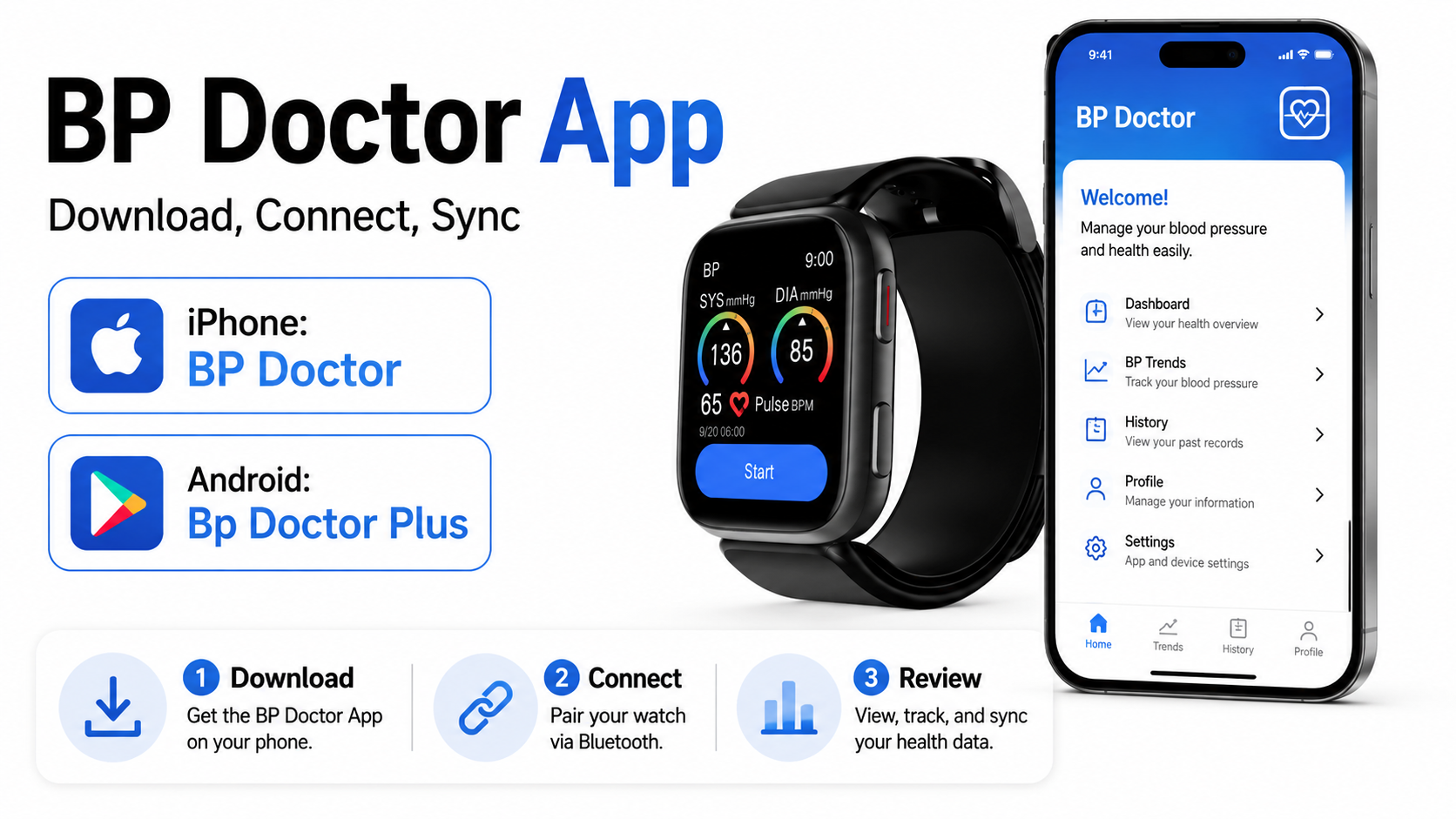
A blood pressure smartwatch can make it easier to collect readings during your normal routine, but the numbers still need to be understood in context.
Use your readings to help keep track of your blood pressure over time.
Do not use one measurement by itself to diagnose a medical condition or change medication.
If your readings repeatedly concern you, or you are unsure what your numbers mean for your health, speak with a qualified healthcare professional.

Leave a comment
This site is protected by hCaptcha and the hCaptcha Privacy Policy and Terms of Service apply.