

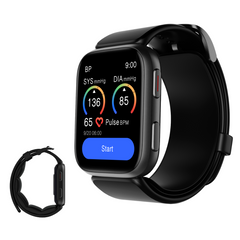
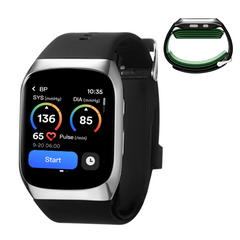
How to Read Systolic, Diastolic and Pulse Results
You finish a blood pressure measurement and see three values:
SYS
DIA
PUL
What do they actually mean?
The first two are blood pressure.
The third is pulse rate.
Understanding that distinction makes a blood pressure monitor much easier to use.
What Is Systolic Blood Pressure?
Systolic pressure is the top blood pressure number.
It reflects arterial pressure when the heart contracts and pumps blood.
Example:
128 / 82 mmHg
The systolic value is:
128
What Is Diastolic Blood Pressure?
Diastolic pressure is the bottom blood pressure number.
It reflects arterial pressure between heartbeats when the heart relaxes.
In:
128 / 82
the diastolic value is:
82
What Does PUL Mean?
PUL means:
Pulse rate
usually displayed in:
beats per minute
Pulse is related to heart rate.
It is not a third blood pressure number.
So:
SYS 128
DIA 82
PUL 72
means:
- systolic = 128 mmHg
- diastolic = 82 mmHg
- pulse = 72 beats/min
Why Blood Pressure Has Two Numbers
Blood pressure is not a single fixed pressure.
It rises and falls during each cardiac cycle.
Systolic and diastolic values describe different phases of that cycle.
This is why both numbers matter.
Common U.S. Blood Pressure Categories
The CH-S693L manual reproduces an AHA-style classification table using these commonly recognized categories:
| Category | Systolic | Diastolic |
|---|---|---|
| Normal | <120 | and <80 |
| Elevated | 120–129 | and <80 |
| Stage 1 Hypertension | 130–139 | or 80–89 |
| Stage 2 Hypertension | ≥140 | or ≥90 |
| Severe range | >180 | and/or >120 |
These categories are useful for understanding terminology.
They are not a substitute for diagnosis by a healthcare professional.
One Reading Is Not a Diagnosis
This point is extremely important.
Blood pressure can vary because of:
- stress
- recent movement
- caffeine
- sleep
- pain
- temperature
- measurement technique
- time of day
A single unexpectedly high or low reading should therefore be interpreted in context.
Home monitoring is most useful when it creates a series of correctly taken readings.
Why Trends Matter
Suppose your readings over several days are:
126/78
129/80
127/79
128/80
That tells you more about your routine pattern than one isolated:
145/90
taken immediately after rushing upstairs.
Consistency makes data more meaningful.
What About Pulse?
Pulse rate also varies.
It can change with:
- exercise
- stress
- temperature
- hydration
- medications
- illness
- sleep
- fitness
Do not assume that a pulse number alone indicates a diagnosis.
If you are concerned about your pulse pattern, discuss it with a healthcare professional.
What Should You Record?
If your healthcare professional has asked you to track blood pressure, record:
- date
- time
- systolic
- diastolic
- pulse
- relevant notes if appropriate
For example:
Sep 3 · 8:00 AM · 126/78 · Pulse 68 · Before breakfast
This gives context.
How YHE BP Home Displays Results
CH-S693L measures and displays:
- systolic blood pressure
- diastolic blood pressure
- pulse rate
The manual also lists a pulse measurement range of 40–199 beats/min.
Results remain available through its two-user memory system, with:
99 readings per user
for:
198 total readings.
That is useful for couples who share one home monitor while maintaining separate stored histories.
When a Reading Deserves More Attention
If you repeatedly see readings outside the target range your healthcare professional has given you, discuss the pattern with them.
Very high readings accompanied by concerning symptoms can require urgent medical evaluation.
Do not spend repeated minutes taking measurement after measurement instead of seeking appropriate care when symptoms suggest an emergency.
FAQ
What does SYS mean?
Systolic blood pressure — the top number.
What does DIA mean?
Diastolic blood pressure — the bottom number.
What does PUL mean?
Pulse rate, typically measured in beats per minute.
Is 130/80 high?
Under commonly used U.S. categories, values in that range can fall into Stage 1 hypertension classification depending on the exact systolic and diastolic values. Diagnosis should be made by a healthcare professional, not from one home reading.
Which number matters more?
Both systolic and diastolic readings carry useful information.
Does pulse tell me my blood pressure?
No. Pulse and blood pressure are different measurements.
Final Takeaway
Remember three things:
SYS = pressure when the heart contracts
DIA = pressure between beats
PUL = heart rate
And one rule matters more than memorizing every category:
Do not overinterpret one isolated reading.
Use correct technique, track patterns and discuss meaningful concerns with a healthcare professional.
Leave a comment
This site is protected by hCaptcha and the hCaptcha Privacy Policy and Terms of Service apply.