

If you are choosing a blood pressure monitor for home use, one of the first decisions is surprisingly simple:
Upper arm or wrist?
Both types can measure blood pressure. Both are available as automatic digital devices. And both can be convenient in the right situation.
But they are not equally easy to use correctly.
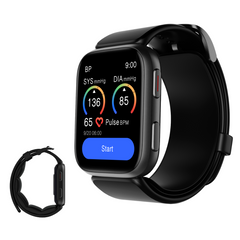
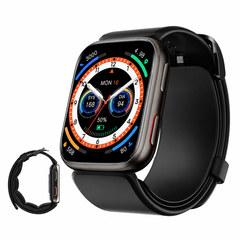
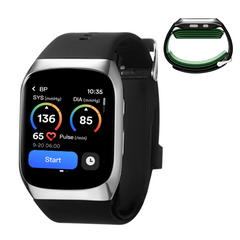
For most people building a routine for home blood pressure monitoring, an automatic upper arm blood pressure monitor is generally the better starting point. Wrist monitors can still be useful, particularly when upper-arm cuff use is difficult or when portability matters most.
The important question is not simply which device is smaller or newer.
It is:
Which device can you position correctly and use consistently every time?
Quick Answer: Upper Arm vs Wrist
| Factor | Upper Arm Monitor | Wrist Monitor |
|---|---|---|
| Measurement location | Upper arm | Wrist |
| Typical home-use preference | Usually preferred | More situational |
| Position sensitivity | Moderate | High |
| Cuff sizing | Must fit upper arm | Must fit wrist |
| Portability | Moderate | Excellent |
| Ease of travel | Good | Excellent |
| Home routine | Excellent | Good when correctly positioned |
| Best for | Routine home monitoring | Portability or upper-arm fit/use limitations |
The main advantage of an upper-arm monitor is not that wrist devices “never work.”
The advantage is that upper-arm positioning tends to be easier to standardize.
Why Upper-Arm Blood Pressure Monitors Are Commonly Preferred
An upper-arm monitor measures blood pressure around the brachial artery.
That is the measurement location most people already recognize from:
- doctor visits
- pharmacies
- clinics
- traditional home blood pressure monitors
Modern home devices usually automate inflation, deflation and result calculation.
The user mainly needs to get four things right:
- Correct cuff size
- Correct cuff position
- Supported arm
- Calm sitting posture
That makes the upper arm a practical location for repeatable home measurements.
Why Wrist Monitors Require More Attention to Position
The wrist is farther from the heart and changes position easily.
A wrist monitor can be:
- below heart level
- above heart level
- flexed
- rotated
- unsupported
without the user realizing it.
That matters because blood pressure readings are sensitive to the relative position of the measurement site and the heart.
A wrist monitor therefore requires the user to hold the wrist correctly at approximately heart level throughout the measurement.
That is possible.
But it introduces another opportunity for inconsistency.
When a Wrist Blood Pressure Monitor Can Make Sense
A wrist device may be attractive if:
Portability is the priority
Wrist monitors are usually much smaller and easier to pack.
An upper-arm cuff is difficult to use
Some users may have difficulty fitting or positioning a conventional upper-arm cuff.
Travel is frequent
A small wrist device can be easier to carry than a full home monitor.
The user understands positioning
A wrist monitor becomes much more useful when the person is willing and able to follow the positioning instructions carefully.
So the right conclusion is not:
Wrist monitors are useless.
It is:
Wrist measurement is generally more position-sensitive.
The Bigger Issue: Correct Use Matters With Both
Even a good upper-arm monitor can produce inconsistent readings if it is used poorly.
Common problems include:
- measuring over clothing
- talking
- moving
- unsupported arm
- crossed legs
- measuring immediately after activity
- using the wrong cuff size
- repeating readings too quickly
So choosing an upper-arm monitor is only step one.
Technique still matters.
Traditional Upper-Arm Cuff vs Integrated Arm Monitor
Upper-arm devices themselves are not all designed the same way.
Traditional design
A standard home monitor usually has:
monitor → air tube → wrap-around cuff
The user manually wraps and positions the cuff.
Integrated arm design
An integrated device places the cuff inside a fixed arm opening.
The user inserts the arm rather than manually wrapping a separate cuff.
YHE BP Home CH-S693L uses this integrated arm-barrel design. Its manual instructs the user to insert the arm, align the elbow with the positioning point and press START/STOP; inflation and measurement then occur automatically.
This does not change the importance of correct posture.
It changes the setup experience.
Who Should Consider an Integrated Upper-Arm Monitor?
It may make particular sense for someone who:
- dislikes wrapping cuffs
- shares a monitor with a spouse
- wants one regular home measurement station
- values simple setup
- prefers a large display
- does not need the smallest possible travel device
The YHE BP Home supports adult arm circumferences from 18–42 cm / 7.1–16.5 inches.
That cuff range should always be checked against the user's actual arm measurement before purchase.
Upper Arm or Wrist: Which Should You Buy?
For most people who mainly plan to measure blood pressure at home:
Start with an automatic upper-arm monitor.
Choose a wrist monitor when there is a specific reason the wrist format better suits your needs.
A useful decision framework is:
Home routine first → upper arm
Maximum portability → wrist may be useful
Difficulty with manual cuff wrapping → consider integrated upper-arm design
Unsure → discuss the device choice with a healthcare professional
FAQ
Is an upper-arm monitor more reliable than a wrist monitor?
Upper-arm monitors are generally preferred for routine home monitoring because the measurement position is easier to standardize. Wrist devices can still be useful when properly positioned.
Why does wrist position matter so much?
The wrist needs to remain around heart level. Holding it too high or too low can affect the result.
Can I use both a wrist and upper-arm monitor?
Yes, but readings should not automatically be expected to match exactly. Use each device according to its instructions and discuss meaningful differences with a healthcare professional.
What cuff size does YHE BP Home support?
CH-S693L supports adult upper-arm circumferences from 18–42 cm / 7.1–16.5 inches.
Is YHE BP Home a wrist monitor?
No. It is an automatic upper-arm blood pressure monitor.
Final Takeaway
For routine home monitoring, the upper arm remains the most practical starting point for most users.
Wrist monitors win on portability.
Upper-arm monitors usually win on easier positioning and a more standardized home routine.
The best monitor is ultimately the one that:
fits correctly
is used correctly
and
is easy enough that you will actually keep using it.Explore YHE BP Home Automatic Upper Arm Blood Pressure Monitor
Leave a comment
This site is protected by hCaptcha and the hCaptcha Privacy Policy and Terms of Service apply.